Gasket Custom

Home / Products / GASKET & SHEET & INSULATIONS / Gasket

Gasket

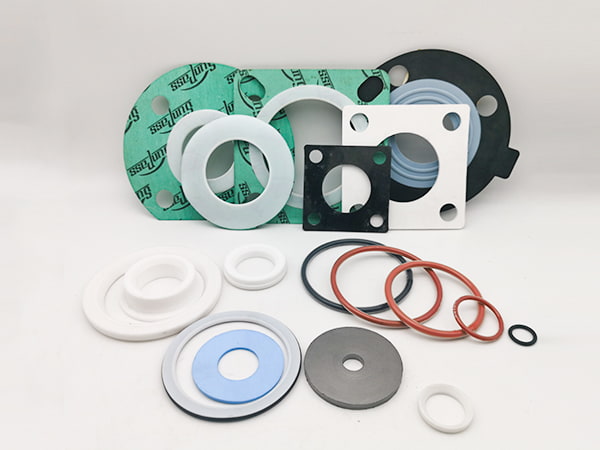
TOP SEALING manufacturers and supplys many difference sealing gasket and sheet, e.g. PTFE gasket and sheet, PTFE joint sealant, PTFE envelop gasket, metal jacked graphite sheet, non asbestos sheet, graphite gasket and sheet, rubber sheet.

Types of Gaskets and Sheets

Gaskets and sheets come in various types, each designed for specific purposes and conditions. Some of the most common types include:

1.Soft gaskets: Soft gaskets are made of compressible materials, such as rubber, cork, or non-asbestos, and are used in low-pressure, low-temperature, or non-corrosive applications. They are easy to install, conform to irregular surfaces, and provide a low-cost sealing solution.

2.Metal gaskets: Metal gaskets are made of thin layers of metal, such as stainless steel, copper, or aluminum, and are used in high-pressure, high-temperature, or corrosive applications. They provide a reliable and durable sealing solution, but require precise machining and installation.

3.Compressed sheets: Compressed sheets are made of fiber materials, such as graphite, aramid, or PTFE, compressed with a resin binder to create a dense and homogeneous material. They are used in various industries, from chemical and petrochemical to power and marine, and are suitable for high-temperature, high-pressure, or corrosive environments.

Applications of Gaskets and Sheets

Gaskets and sheets have a wide range of applications in different industries, including:

1.Pipelines: Gaskets and sheets are commonly used in pipelines, where they help prevent leakage from flanges or joints and maintain a stable flow rate. They are used in various types of pipelines, such as oil and gas, water treatment, or food processing, and are suitable for different pressure and temperature conditions.

2.Engines: Gaskets and sheets are also used in engines, where they help prevent leakage from the cylinder head or exhaust system and ensure proper combustion and emission control. They are used in various types of engines, such as automotive, marine, or industrial, and are suitable for different fuels and lubricants.

3.Electrical equipment: Gaskets and sheets are used in various types of electrical equipment, such as transformers, switchgear, or generators, where they help prevent moisture, dust, or vibration ingress and ensure proper insulation and performance. They are suitable for different voltage and frequency conditions.

Benefits of Gaskets and Sheets

Gaskets and sheets offer various benefits, including:

1.Leakage control: Gaskets and sheets help prevent leakage from various types of equipment and systems, reducing the risk of contamination, environmental damage, and safety hazards.

2.Versatility: Gaskets and sheets are suitable for a wide range of applications, materials, and environments, providing a flexible and cost-effective sealing solution.

3.Customization: Sheets can be cut or stamped into various shapes and sizes to create custom gaskets or seals, providing a precise and efficient sealing solution.

  • PTFE Encapsulated Orings

    Non-Metallic Gasket

    TOP SEALING manufactures a complete range of non-metallic gasket, Pure Graphite Gasket,Pure PTFE Gasket,Expanded PTFE Gasket,Non-asbestos Rubber and PTFE Envelope Gasket,EPDM PTFE Envelope Gasket,Non-Asbestos Rubber Gasket,Rubber Gasket,Envelope O RING,Ceramic Fiber Gasket. Non-metallic gaskets are manufactured from arimid fiber, glass fiber, elastomer, Teflon® (PTFE), graphite etc.. Non-metallic gaskets have excellent sealing, heat resistance and chemical resistance, used in Pipes, valves, pumps, pressure vessels, heat exchangers, condensers, generators, air compressors, exhaust pipes, chillers, widely used in oil and gas, chemical processing, aerospace fields.

    Properties of Non-Metallic Gaskets
    Non-metallic gaskets can be made from a wide range of materials, each with their own unique properties. Some common materials used for non-metallic gaskets include: 1.Rubber - Rubber gaskets, typically made from elastomers such as neoprene, EPDM, or nitrile, are known for their flexibility, resilience, and ability to withstand high temperatures and pressure. 2.Graphite - Graphite gaskets are made from flexible graphite sheets and are known for their excellent thermal and chemical resistance, making them ideal for use in high-temperature and high-pressure applications. 3.PTFE - PTFE (Polytetrafluoroethylene) gaskets are made from a synthetic fluoropolymer and offer excellent chemical resistance and low friction, making them ideal for use in applications involving corrosive fluids.
    Applications of Non-Metallic Gaskets
    Non-metallic gaskets are used in a wide range of industrial applications, including: 1.Oil and Gas - Non-metallic gaskets are commonly used in the oil and gas industry for sealing pipes, valves, and other equipment that come into contact with fluids such as oil, gas, or water. 2.Chemical Processing - Non-metallic gaskets are used extensively in chemical processing plants for sealing pipes, tanks, and vessels that contain corrosive chemicals. 3.Aerospace - Non-metallic gaskets are used in aerospace applications to provide a seal between different components of aircraft engines, fuel systems, and hydraulic systems.
    Considerations for Selecting Non-Metallic Gaskets
    Selecting the right non-metallic gasket for a particular application requires careful consideration of several factors, including: 1.Chemical Resistance - It is important to choose a gasket material that is resistant to the specific chemicals that will be present in the application. 2.Temperature Range - Non-metallic gaskets have different temperature ranges, and it is important to choose a gasket that can withstand the temperatures that will be present in the application. 3.Pressure Rating - The pressure rating of a gasket is also an important consideration, as gaskets must be able to withstand the pressure of the fluids or gases they are sealing.
    Read More
  • PTFE Encapsulated Orings

    Semi-Metallic Gasket

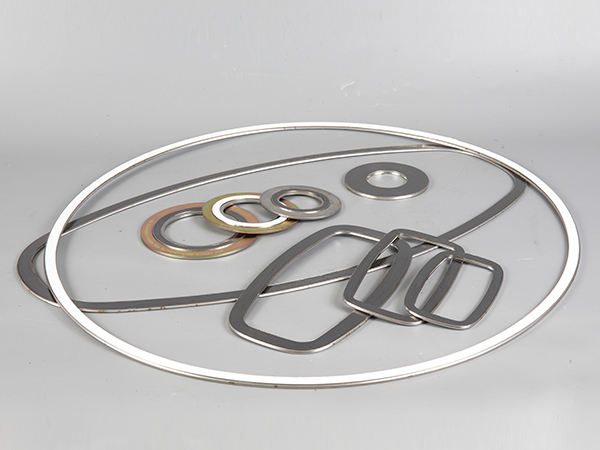
    TOP SEALING manufactures a complete range of semi-metallic gasket,Reincorced Graphite Gasket,Spiral Wound Gasket,Metal Jacket Gasket,Metal Kamprofile Serrated Gasket,Metal Corrugated Gasket. The metal is intended to offer strength and resiliency, while the non-metallic portion provides conformability and sealability.Semi-metallic are designed for almost all operating conditions and high-temperature and pressure applications, and are used on raised face, male-and-female, and tongue-and-groove flanges.Semi-metallic gaskets offer excellent mechanical strength, high temperature resistance and excellent sealing properties, used in Pipes, valves, turbines, boilers, widely used in the oil and gas industry, chemical processing industry, power generation industry, food and pharmaceutical industry.

    1.An Overview of Semi-Metallic Gaskets
    Semi-metallic gaskets are designed to provide a sealing solution that combines the strengths of metallic and non-metallic materials. They consist of a metallic core, usually made of stainless steel or other alloys, and a facing material, which can be made of flexible graphite, PTFE, or other non-metallic materials. The combination of the metallic core and the non-metallic facing material allows semi-metallic gaskets to offer excellent mechanical strength, high temperature resistance, and superior sealing performance. There are several types of semi-metallic gaskets, including spiral wound gaskets, corrugated metal gaskets. Each type has its own unique features and benefits, making them suitable for different applications.
    2.Benefits of Semi-Metallic Gaskets
    Semi-metallic gaskets offer several advantages over traditional gasket materials, such as rubber and cork. Some of the key benefits of semi-metallic gaskets include: High temperature resistance: Semi-metallic gaskets can withstand high temperatures and extreme pressures, making them ideal for use in industrial applications that involve high temperatures or pressure changes. Excellent sealing performance: Semi-metallic gaskets offer superior sealing performance, preventing leaks and reducing the risk of equipment failure. Chemical resistance: Depending on the facing material used, semi-metallic gaskets can be highly resistant to a wide range of chemicals, including acids, alkalis, and solvents. Long service life: Semi-metallic gaskets are designed to provide long-lasting performance, reducing the need for frequent replacements and lowering maintenance costs.
    3.Applications of Semi-Metallic Gaskets
    Semi-metallic gaskets are used in a variety of industrial applications, including: Oil and gas industry: Semi-metallic gaskets are commonly used in the oil and gas industry, where they provide reliable sealing solutions for pipelines, valves, and other equipment. Chemical processing industry: Semi-metallic gaskets are also widely used in the chemical processing industry, where they provide high temperature and chemical resistance. Power generation industry: Semi-metallic gaskets are used in power generation equipment, such as turbines and boilers, where they can withstand high temperatures and pressures. Food and pharmaceutical industry: Semi-metallic gaskets can be used in the food and pharmaceutical industry, where they offer hygienic and non-contaminating sealing solutions.

    Read More
  • PTFE Encapsulated Orings

    Metal Gasket

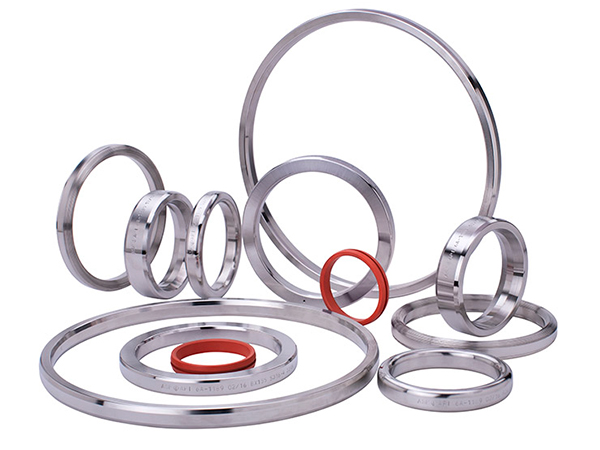
    TOP SEALING manufactures a complete range of metal gasket,OCT Oval Ring Joint Gasket,OVAL Octagonal Ring Joint Gasket.They are always applied to special, accompanying flanges which ensure good, reliable sealing with the correct choice of profiles and material.Metal gasket has high precision, strong tensile strength, good finish, strong toughness and high temperature resistance, used in pipes, valves, turbines, boilers, automotive engines and transmissions, widely used in petroleum, chemical, metallurgy, power generation, shipbuilding, automotive industry.

    1.An Overview of Metal Gaskets
    Metal gaskets are designed to provide a reliable and durable sealing solution in demanding industrial applications. They are made entirely of metal, typically stainless steel, copper, or aluminum, and feature a variety of sealing elements, such as serrated or grooved surfaces, to create a tight seal. Metal gaskets are ideal for use in high-pressure and high-temperature applications where other types of gaskets may fail.
    2.There are several types of metal gaskets, including:
    Spiral Wound Gaskets: Spiral wound gaskets are made by winding a metal strip and a non-metallic filler material, such as graphite or PTFE, into a spiral shape. These gaskets offer excellent sealing performance, particularly in applications involving high temperatures and pressures. Corrugated Metal Gaskets: Corrugated metal gaskets are made by stamping a metal sheet into a corrugated shape. These gaskets are ideal for use in applications involving high pressures and temperatures, as they can conform to irregular surfaces and offer excellent compression and recovery. Jacketed Gaskets: Jacketed gaskets are made by combining a soft filler material, such as graphite or PTFE, with a metal jacket. The metal jacket provides additional strength and stability to the gasket, while the filler material provides excellent sealing performance.
    3.Applications of Metal Gaskets
    Metal gaskets are used in a wide range of industrial applications, including: Oil and Gas Industry: Metal gaskets are commonly used in the oil and gas industry, where they provide a reliable sealing solution for pipelines, valves, and other equipment. Power Generation Industry: Metal gaskets are used in power generation equipment, such as turbines and boilers, where they can withstand high temperatures and pressures. Chemical Processing Industry: Metal gaskets are used in the chemical processing industry, where they provide high temperature and chemical resistance. Automotive Industry: Metal gaskets are used in automotive engines and transmissions, where they provide a reliable sealing solution in demanding operating conditions.

    Read More
  • PTFE Encapsulated Orings

    Rod & Tube

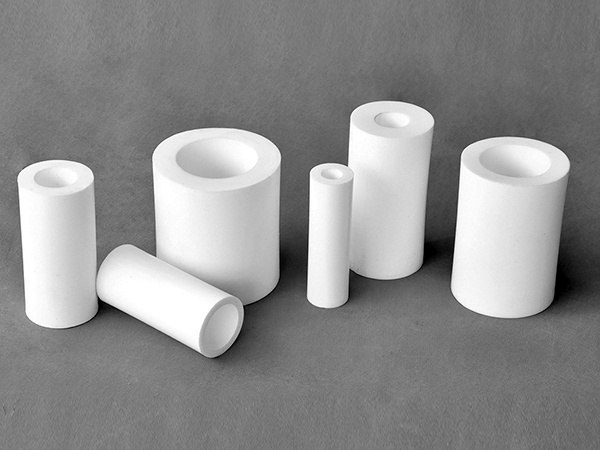
    TOP SEALING manufactures PTFE ROD and PTFE TUBE.PTFE has a wide range of practicable temperature from -180°C - +260°C.We also OEM/ODM and custom Rod & Tube. PTFE Rod has excellent chemical resistance and dielectric properties, as well as the lowest coefficient of friction. Used in valves, reactors, distillation columns, anti-corrosion equipment, medical equipment, can also be used as self-lubricating bearings, piston rings, oil seals and sealing rings. Widely used in chemical industry, construction industry, electronic and electrical industry, medical equipment field.

    1: Introduction to Rod & Tube
    Rod & tube refer to cylindrical shapes made from a wide range of materials, including metals, plastics, and composites. These versatile shapes are used in a variety of applications, ranging from construction and manufacturing to engineering and medical devices. They come in a wide range of sizes, lengths, and diameters, each with its own unique set of properties and applications.
    2: Types of Rod & Tube
    There are several different types of rod & tube available on the market, each with its own unique set of properties and applications. Some of the most common types of rod & tube include: Metal Rod & Tube: Metal rod & tube are widely used in construction and manufacturing, as they offer excellent strength and durability. Common metals used include aluminum, brass, copper, and steel. Plastic Rod & Tube: Plastic rod & tube are lightweight and versatile, making them ideal for a wide range of applications, including medical devices, aerospace, and electronics. Common plastics used include acrylic, polycarbonate, and PVC. Composite Rod & Tube: Composite rod & tube are made from a combination of materials, such as fiberglass, carbon fiber, and Kevlar. They offer excellent strength-to-weight ratios and are ideal for applications where weight is a concern, such as aerospace and automotive.
    3: Choosing the Right Rod & Tube
    When choosing a rod & tube, it is important to consider several key factors, including the material properties, the intended application, and any environmental conditions that the rod & tube will be exposed to. Other important factors to consider include the dimensions, strength, and stiffness required, as well as any specific tolerances or certifications needed for certain applications. In general, metal rod & tube are a good all-purpose option, offering excellent strength and durability. Plastic rod & tube are a good choice for lightweight applications, while composite rod & tube are ideal for applications where weight is a concern. Ultimately, the right rod & tube will depend on the specific needs and requirements of each application.

    Read More
  • PTFE Encapsulated Orings

    Sealing Tape

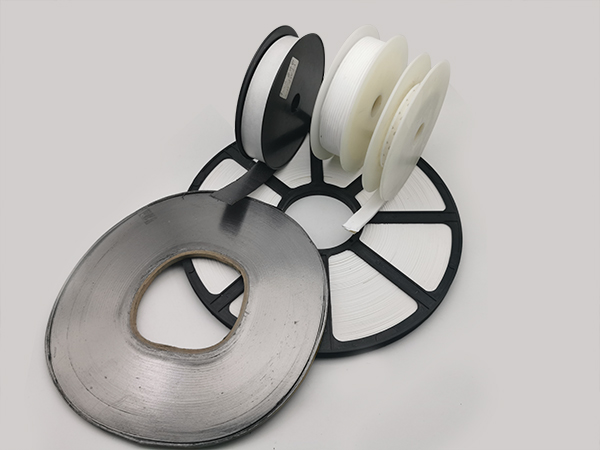
    TOP SEALING manufactures a complete range of sealing tape,Expanded PTFE Joint Sealant,PTFE Vale Stem Packing,Flexible Graphite Tape,Graphite Filler,PTFE Filler,Ceramic Filler,Metal Strip.It has the performance of leakage, waterproof, vibration, sound insulation and temperature resistance. Sealing tape is designed to securely seal packages, boxes, and other containers, commonly used in the packaging industry.

    1: Introduction to Sealing Tape
    Sealing tape is a widely used adhesive tape that is designed to securely seal packages, boxes, and other containers. It is an essential tool in the packaging industry, as it provides a reliable and efficient method of sealing packages and ensuring that their contents remain safe and secure during transit. Sealing tape comes in a variety of different materials, sizes, and colors, each with its own unique set of properties and applications.
    2: Types of Sealing Tape
    There are several different types of sealing tape available on the market, each with its own unique set of properties and applications. Some of the most common types of sealing tape include: Acrylic Tape: Acrylic tape is one of the most popular types of sealing tape, and is known for its excellent durability and resistance to aging and yellowing. It is also highly resistant to heat and cold, making it an ideal choice for use in extreme temperature environments. Hot Melt Tape: Hot melt tape is another popular type of sealing tape, and is known for its strong adhesive properties and quick bonding time. It is commonly used in high-speed packaging operations, where fast application and bonding are critical. Paper Tape: Paper tape is a versatile sealing tape that is commonly used in the packaging industry. It is made from a durable, moisture-resistant paper material and is ideal for sealing lightweight packages and envelopes.
    3: Choosing the Right Sealing Tape
    When choosing a sealing tape, it is important to consider several key factors, including the type of material being packaged, the size and weight of the package, and the environmental conditions it will be exposed to during transit. Other important factors to consider include the level of adhesive strength required, the ease of application, and any special features or properties needed for specific applications. In general, acrylic tape is a good all-purpose option, offering excellent durability and resistance to temperature and aging. Hot melt tape is a good choice for high-speed packaging operations, while paper tape is ideal for lightweight packages and envelopes. Ultimately, the right sealing tape will depend on the specific needs and requirements of each application.

    Read More

TOP SEALING is famous China Gasket Manufacturers and Gasket factory. It is managed in strict accordance with the ISO9001:2008 standard and provides customers with high quality products and services. The products are exported to more than 200 countries and regions, and enjoys good reputation at home and abroad. We have passed ISO9001:2008, CE, TÜV. We custom OEM and ODM Gasket.

TOP SEALING manufacturers and supplys many difference sealing gasket and sheet, e.g. PTFE gasket and sheet, PTFE joint sealant, PTFE envelop gasket, metal jacked graphite sheet, non asbestos sheet, graphite gasket and sheet, rubber sheet.

Types of Gaskets and Sheets

Gaskets and sheets come in various types, each designed for specific purposes and conditions. Some of the most common types include:

1.Soft gaskets: Soft gaskets are made of compressible materials, such as rubber, cork, or non-asbestos, and are used in low-pressure, low-temperature, or non-corrosive applications. They are easy to install, conform to irregular surfaces, and provide a low-cost sealing solution.

2.Metal gaskets: Metal gaskets are made of thin layers of metal, such as stainless steel, copper, or aluminum, and are used in high-pressure, high-temperature, or corrosive applications. They provide a reliable and durable sealing solution, but require precise machining and installation.

3.Compressed sheets: Compressed sheets are made of fiber materials, such as graphite, aramid, or PTFE, compressed with a resin binder to create a dense and homogeneous material. They are used in various industries, from chemical and petrochemical to power and marine, and are suitable for high-temperature, high-pressure, or corrosive environments.

Applications of Gaskets and Sheets

Gaskets and sheets have a wide range of applications in different industries, including:

1.Pipelines: Gaskets and sheets are commonly used in pipelines, where they help prevent leakage from flanges or joints and maintain a stable flow rate. They are used in various types of pipelines, such as oil and gas, water treatment, or food processing, and are suitable for different pressure and temperature conditions.

2.Engines: Gaskets and sheets are also used in engines, where they help prevent leakage from the cylinder head or exhaust system and ensure proper combustion and emission control. They are used in various types of engines, such as automotive, marine, or industrial, and are suitable for different fuels and lubricants.

3.Electrical equipment: Gaskets and sheets are used in various types of electrical equipment, such as transformers, switchgear, or generators, where they help prevent moisture, dust, or vibration ingress and ensure proper insulation and performance. They are suitable for different voltage and frequency conditions.

Benefits of Gaskets and Sheets

Gaskets and sheets offer various benefits, including:

1.Leakage control: Gaskets and sheets help prevent leakage from various types of equipment and systems, reducing the risk of contamination, environmental damage, and safety hazards.

2.Versatility: Gaskets and sheets are suitable for a wide range of applications, materials, and environments, providing a flexible and cost-effective sealing solution.

3.Customization: Sheets can be cut or stamped into various shapes and sizes to create custom gaskets or seals, providing a precise and efficient sealing solution.