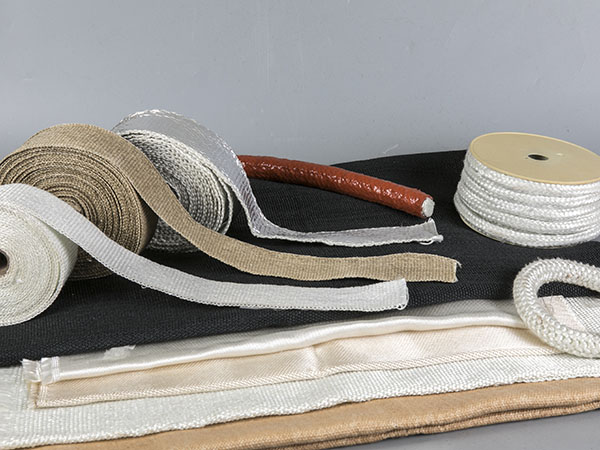
Sealing And Thermal Insulation

Home / Products
Home / Products

Sealing And Thermal Insulation Products

Types of Sealing and Thermal Insulation Products

Sealing and thermal insulation products come in various forms, each designed for specific purposes and conditions. Some of the most common types include:

1.Sealants: Sealants are materials used to seal gaps, joints, and seams between two surfaces, preventing air, water, and other contaminants from passing through. They are available in different forms, including liquid, paste, and tape, and are used in various industries, from construction and automotive to electronics and aerospace.

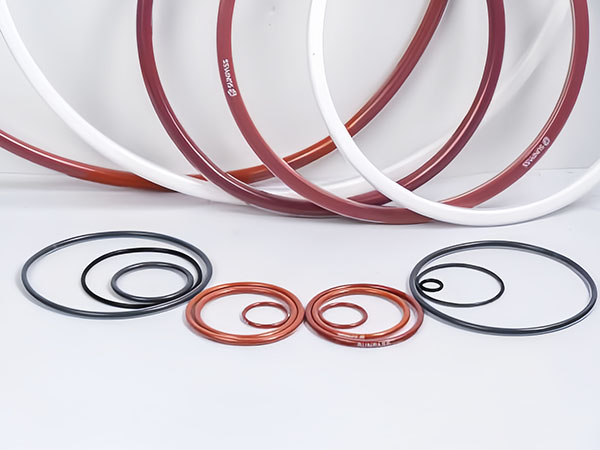
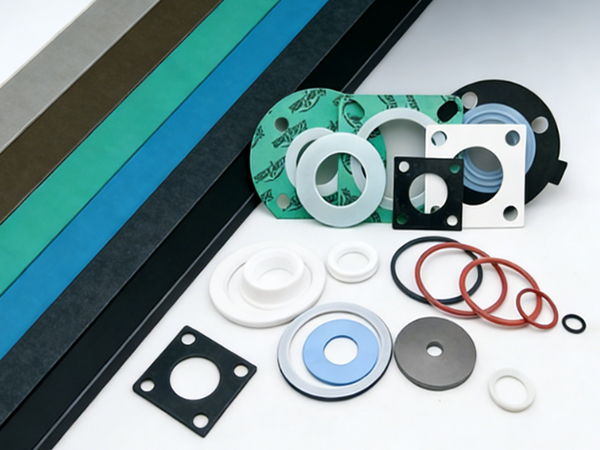
2.Gaskets: Gaskets are mechanical seals used to fill gaps between two mating surfaces, preventing leaks of fluids or gases. They come in different materials, such as rubber, silicone, metal, and graphite, and are used in various applications, from piping and pumps to engines and compressors.

3.Insulation materials: Insulation materials are designed to reduce heat transfer between two surfaces, keeping the heat in or out, depending on the application. They can be made of different materials, such as fiberglass, foam, mineral wool, and cellulose, and are used in various industries, from construction and HVAC to automotive and aerospace.

Applications of Sealing and Thermal Insulation Products

Sealing and thermal insulation products have a wide range of applications in different industries, including:

1.Construction: Sealing and insulation products are widely used in construction to create energy-efficient buildings that reduce energy consumption, lower costs, and provide a comfortable indoor environment. They are used in various applications, such as sealing doors and windows, insulating walls and roofs, and sealing ductwork and pipes.

2.HVAC: Sealing and insulation products are also essential in HVAC systems, where they help reduce energy consumption, improve indoor air quality, and enhance system performance. They are used in various applications, such as sealing ductwork, insulating pipes, and sealing air handlers and exhaust fans.

3.Automotive and Aerospace: Sealing and insulation products are crucial in the automotive and aerospace industries, where they help improve fuel efficiency, reduce noise and vibration, and ensure passenger comfort and safety. They are used in various applications, such as sealing engines and transmissions, insulating body panels and exhaust systems, and sealing cockpit windows and doors.

Benefits of Sealing and Thermal Insulation Products

Sealing and thermal insulation products offer various benefits, including:

1.Energy efficiency: Sealing and insulation products help reduce energy consumption by preventing heat loss or gain through walls, roofs, windows, and doors, among others.

2.Environmental protection: Sealing and insulation products help reduce greenhouse gas emissions by lowering energy consumption and promoting sustainability.

3.Comfort and safety: Sealing and insulation products help create a comfortable and safe indoor environment by reducing noise and vibration, improving indoor air quality, and preventing the entry of pollutants and allergens.

  • Placard Holder
  • Placard Holder
  • Placard Holder
  • Placard Holder

    TANK CONTAINER PARTS

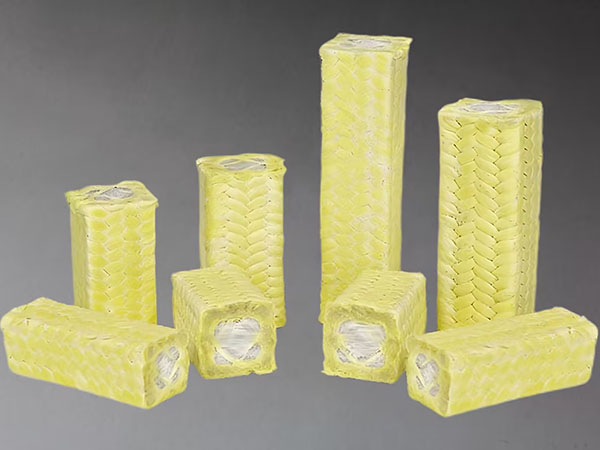
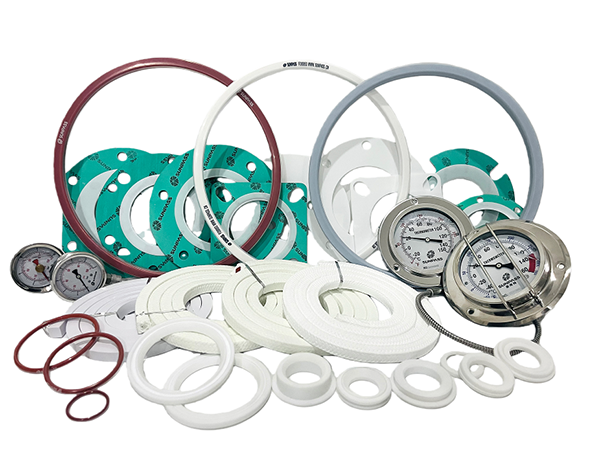
    TOP SEALING manufactures and supplys tank container parts and accessories from 2000, especially for ISO tank container parts. Such as super tank lid seal, braided manlid seal ptfe, ptfe gasket, envelop gasket, dust cap, document Holder, thermometer, manometer, air vent cover, and etc.

    Types of ISO Container Parts
    ISO container parts come in various types, each designed for specific functions and applications. Some of the most common types include: 1.Corner castings: Corner castings are structural components located at the corners of the container, designed to support the weight of the container and facilitate stacking and lifting. They are made of cast steel or cast aluminum and have standard dimensions and configurations that allow compatibility with other containers. 2.Twist locks: Twist locks are locking mechanisms that secure containers to each other or to transport vehicles, such as ships, trains, or trucks. They are located on the corner castings and work by twisting and locking into place. They come in various types, such as manual, semi-automatic, or automatic, and are designed to withstand high loads and forces. 3.Doors and hinges: Doors and hinges are essential components that allow access to the container's interior and ensure the security and integrity of the cargo. ISO containers can have one or two doors, depending on the size and type, and can have various types of hinges, such as swing, cam, or piano hinges.
    Functions of ISO Container Parts
    ISO container parts have various functions, each crucial for the safe and efficient transport of goods. Some of the most important functions include: 1.Structural support: ISO container parts, such as corner castings, provide structural support to the container, allowing it to withstand heavy loads and forces during transport and handling. 2.Intermodal compatibility: ISO container parts, such as twist locks, allow containers to be securely stacked and transported on different modes of transport, such as ships, trains, or trucks, ensuring seamless and efficient logistics. 3.Cargo protection: ISO container parts, such as doors and hinges, ensure the security and integrity of the cargo during transport, protecting it from damage, theft, or tampering.
    Maintenance of ISO Container Parts
    ISO container parts require regular maintenance and inspection to ensure their proper functioning and safety. Some of the maintenance tasks include: 1.Cleaning: ISO container parts should be cleaned regularly to remove dirt, rust, or corrosion, which can weaken the parts or cause malfunctions. 2.Lubrication: ISO container parts, such as twist locks or hinges, should be lubricated regularly to reduce friction and wear and prevent corrosion. 3.Inspection: ISO container parts should be inspected regularly for signs of damage, wear, or corrosion, which can compromise their strength or integrity. Any damaged parts should be replaced immediately to ensure safe transport.

    Read More
  • Placard Holder
  • Placard Holder

    Marine Product

    TOP SEALING manufactures and supplys products for marine and ship requirements, like fire hydrant, fire nozzle, fire coupling, fire connector, fire wrench, fire pine thread, pressure gauge, psychrometer, thermometer, hydrometer, oxygen cylinger kit, and lifeboat light, and etc.

    Types of Marine Products
    Marine products come in various types, each designed for specific functions and applications. Some of the most common types include: 1.Marine electronics: Marine electronics are electronic devices and systems used in marine navigation, communication, and safety, such as GPS, radar, sonar, VHF radio, AIS, and EPIRB. Marine electronics are crucial for ensuring the safety and efficiency of marine operations and complying with international regulations. 2.Marine coatings: Marine coatings are specialized paints and coatings used to protect the hull and other parts of the ship from corrosion, fouling, and abrasion. Marine coatings can be based on various chemistries, such as epoxy, polyurethane, silicone, or fluoropolymer, and can provide different levels of protection and performance. 3.Marine safety equipment: Marine safety equipment includes life-saving appliances, such as life rafts, life jackets, immersion suits, and rescue boats, as well as firefighting equipment, such as fire extinguishers, sprinkler systems, and alarms. Marine safety equipment is essential for ensuring the safety and survival of crew and passengers in case of emergencies.
    Applications of Marine Products
    Marine products have various applications in the marine industry, depending on the type and function of the product. Some of the most common applications include: 1.Shipping: Marine products are used in shipping for navigation, communication, safety, cargo handling, and environmental protection. Marine products can help ships to comply with international regulations, such as SOLAS, MARPOL, or IMDG, and improve their efficiency and sustainability. 2.Offshore exploration: Marine products are used in offshore exploration for oil and gas, minerals, and renewable energy sources, such as wind, wave, or tidal power. Marine products can help to reduce the environmental impact of offshore operations, such as oil spills or emissions, and improve the safety and efficiency of the exploration process. 3.Recreational boating: Marine products are used in recreational boating for navigation, communication, safety, and entertainment. Marine products can help boaters to enjoy their time on the water and ensure their safety and compliance with local regulations.

    Read More

TOP SEALING is famous China in manufacturing Thermal Insulation tape and sealing products. It is managed in strict accordance with the ISO9001:2008 standard and provides customers with high quality products and services. The products are exported to more than 200 countries and regions, and enjoys good reputation at home and abroad. We have passed ISO9001:2008, CE, TÜV. We custom OEM and ODM Sealing And Thermal Insulation.

Types of Sealing and Thermal Insulation Products

Sealing and thermal insulation products come in various forms, each designed for specific purposes and conditions. Some of the most common types include:

1.Sealants: Sealants are materials used to seal gaps, joints, and seams between two surfaces, preventing air, water, and other contaminants from passing through. They are available in different forms, including liquid, paste, and tape, and are used in various industries, from construction and automotive to electronics and aerospace.

2.Gaskets: Gaskets are mechanical seals used to fill gaps between two mating surfaces, preventing leaks of fluids or gases. They come in different materials, such as rubber, silicone, metal, and graphite, and are used in various applications, from piping and pumps to engines and compressors.

3.Insulation materials: Insulation materials are designed to reduce heat transfer between two surfaces, keeping the heat in or out, depending on the application. They can be made of different materials, such as fiberglass, foam, mineral wool, and cellulose, and are used in various industries, from construction and HVAC to automotive and aerospace.

Applications of Sealing and Thermal Insulation Products

Sealing and thermal insulation products have a wide range of applications in different industries, including:

1.Construction: Sealing and insulation products are widely used in construction to create energy-efficient buildings that reduce energy consumption, lower costs, and provide a comfortable indoor environment. They are used in various applications, such as sealing doors and windows, insulating walls and roofs, and sealing ductwork and pipes.

2.HVAC: Sealing and insulation products are also essential in HVAC systems, where they help reduce energy consumption, improve indoor air quality, and enhance system performance. They are used in various applications, such as sealing ductwork, insulating pipes, and sealing air handlers and exhaust fans.

3.Automotive and Aerospace: Sealing and insulation products are crucial in the automotive and aerospace industries, where they help improve fuel efficiency, reduce noise and vibration, and ensure passenger comfort and safety. They are used in various applications, such as sealing engines and transmissions, insulating body panels and exhaust systems, and sealing cockpit windows and doors.

Benefits of Sealing and Thermal Insulation Products

Sealing and thermal insulation products offer various benefits, including:

1.Energy efficiency: Sealing and insulation products help reduce energy consumption by preventing heat loss or gain through walls, roofs, windows, and doors, among others.

2.Environmental protection: Sealing and insulation products help reduce greenhouse gas emissions by lowering energy consumption and promoting sustainability.

3.Comfort and safety: Sealing and insulation products help create a comfortable and safe indoor environment by reducing noise and vibration, improving indoor air quality, and preventing the entry of pollutants and allergens.