+86 (0)574 62837603


In the operation and maintenance of tank containers, the procurement of spare parts directly impacts equipment reliability, operational safety, and total lifecycle costs. However, in the supplier selection process, many decision-makers often consider "price" as the primary, or even sole, factor. Industry experts point out that this short-term cost-oriented thinking may lead to long-term problems. True cost-effectiveness lies in comprehensive capabilities beyond just price. A thorough evaluation of the following three dimensions may be more crucial than simply comparing prices.
Dimension One: Technical Compatibility and Product Quality Reliability
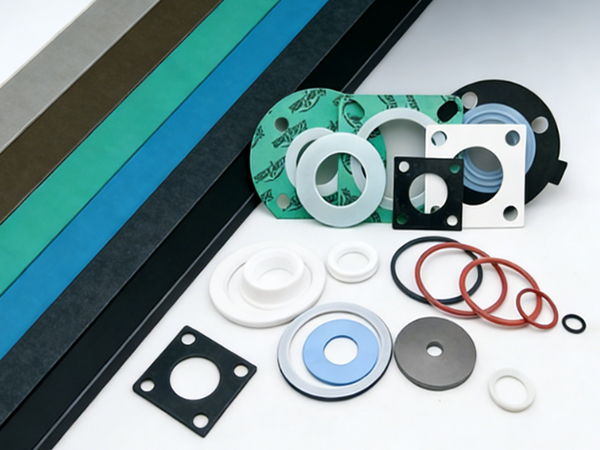
This is the foundation that transcends price. As critical equipment for transporting pressurized and specialized liquids, tank container spare parts (such as valves, safety valves, manhole cover seals, and piping components) must meet strict technical specifications and certification standards.
* Certification and Compliance: High-quality suppliers provide spare parts that are not only transparent in pricing but, more importantly, possess complete "identification"—do they hold the necessary third-party certifications (such as ASME, CE, PED, CRN certifications)? Do the materials comply with industry standards such as IMDG and FDA? This directly relates to whether the tank container can pass annual inspections and whether it is qualified to transport specific hazardous chemicals or food products.
* Product Consistency: Can the supplier guarantee that each batch of products is highly consistent in quality with samples or historical orders? Especially for wear parts such as seals and diaphragms, the stability of the material formula determines their lifespan and the reliability of their sealing performance. A single leak or operational interruption caused by spare parts quality issues can result in losses far exceeding the price difference of the spare parts themselves.
Dimension Two: Supply Chain Stability and Delivery Assurance Capabilities
Tank container operations demand timeliness, and the loss from an unplanned day of downtime is enormous. Therefore, the resilience of the supplier's supply chain directly affects the customer's operational continuity.
* Supply Chain Transparency and Traceability: From raw material procurement to finished product delivery, is the supply chain clear and controllable? Especially against the backdrop of fluctuating global supply chains, can the supplier provide a stable supply and provide customers with transparent warnings and alternative solutions in case of delays? * Global Service Network: For operators with global tank container assets, the ability of suppliers to provide localized or regional warehousing, distribution, and technical support at key ports or hub cities is crucial for ensuring rapid response.
Dimension Three: Depth of Technical Services and Full Lifecycle Support
Spare parts transactions are not a one-time deal; they carry long-term responsibility for safe operation. The supplier's technical service capabilities are an extension of its core value.
* Professional Technical Consulting and Fault Diagnosis: When problems such as leaks or valve malfunctions occur, can the supplier's technical team provide remote or on-site diagnostic support based on their experience to accurately pinpoint the root cause of the problem, rather than simply replacing parts?
* Repair and Maintenance Guidance: Do they provide clear installation instructions, maintenance manuals, or on-site training? Can they perform professional testing and analysis of old parts and provide preventive maintenance recommendations to help customers shift from "replacement after failure" to "predictive maintenance," thereby reducing overall operational risks?
Sunpass Sealing Technology (Zhejiang) Co. LTD
• Zhejiang Top Sealing and Insulation Co.,Ltd.
• Echo Industry Limited
• Tenglong Sealing and Thermal Insulation Manufactory
 English
 русский
 Español
 Add: No. 78 West Road Zhenxing, Lianghui Industry Zone, Yuyao, Zhejiang, China
 Tel: +86 574 62837603
 E-mail: