Did you know that 90% of tank lid packing leaks can be traced back to improper installation, rather than product defects or poor material quality?
This startling statistic, compiled from industry maintenance reports across multiple sectors, highlights just how critical correct fitting practices are for ensuring airtight and watertight seals in industrial storage systems—from chemical processing plants to food and beverage facilities.
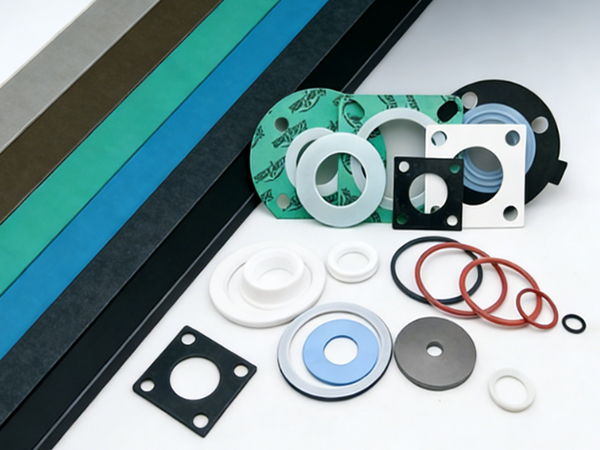
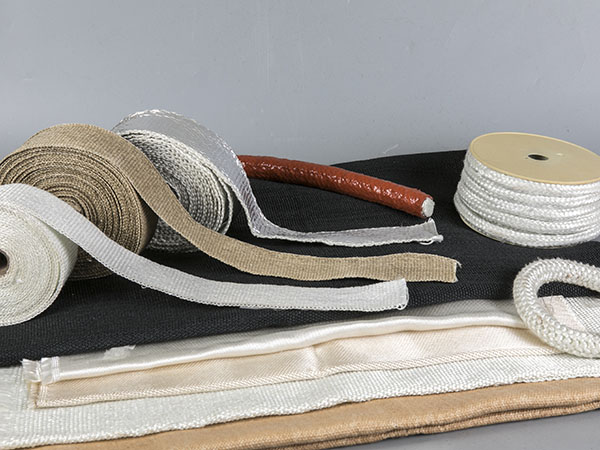
Tank lid packing, a small but vital component, serves as the first line of defense against leaks that can lead to costly material losses, safety hazards, and regulatory non-compliance. Yet, even high-performance packing materials like PTFE, graphite, or aramid fiber will fail to deliver their intended sealing effect if installed incorrectly.
To achieve optimal performance of tank lid packing, follow these key steps meticulously.
First, select the right packing type that matches the tank’s operating conditions, including the temperature range, pressure levels, and the chemical compatibility with the stored media—using a general-purpose packing for corrosive substances, for example, is a recipe for early failure.
Second, prepare the sealing surface thoroughly: remove all traces of dirt, rust, old packing residues, or unevenness with a clean cloth and appropriate tools; any debris left behind will create gaps and compromise the seal.
Third, install the packing with precision: cut the packing to the exact circumference of the lid flange to avoid overlaps or gaps, lay it evenly in the sealing groove, and ensure it sits flat without twisting or bunching.
Fourth, tighten the lid bolts properly: use a torque wrench to apply uniform pressure across all bolts, rather than over-tightening a single bolt at a time—over-tightening can deform the packing, while uneven tightening leaves weak spots prone to leaks. Finally, conduct a post-installation leak test: use pressure testing or visual inspection (depending on the tank’s contents) to confirm that the seal is intact before putting the tank into operation.
Proper installation not only prevents costly leaks and material losses but also extends the service life of both the packing and the tank itself, reducing long-term maintenance costs and minimizing unplanned downtime.
By prioritizing correct fitting procedures, businesses can turn this often-overlooked step into a cornerstone of their operational efficiency and safety protocols.

 +86 (0)574 62837603


 English
 русский
 Español
 Add: No. 78 West Road Zhenxing, Lianghui Industry Zone, Yuyao, Zhejiang, China
 Tel: +86 574 62837603
 E-mail: