+86 (0)574 62837603


As modern AI data centers push server rack densities past 30 kilowatts per cabinet, traditional air cooling is hitting a hard thermal wall, forcing facility managers to adopt direct-to-chip liquid cooling architectures. But moving dielectric fluids and water-glycol mixtures directly over expensive GPU nodes introduces a critical operational risk: a single pinhole leak or failed flange gasket can damage high-value computing hardware.
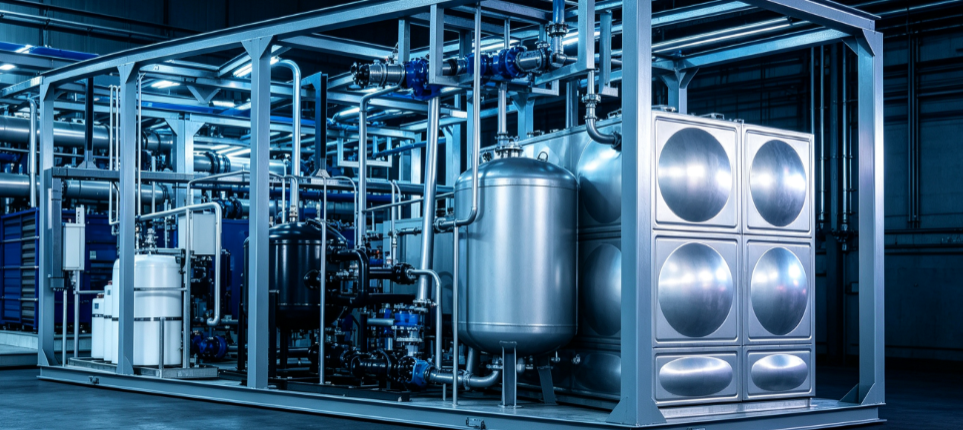
Preventing coolant leakage requires moving beyond generic rubber seals toward engineered fluoropolymer barrier components. In high-density server loops, joint seepage and elastomeric gasket degradation under continuous thermal cycling are recognized as leading failure modes in liquid cooling infrastructure.
Data centers typically utilize specialized dielectric fluids, synthetic polyalphaolefins, or inhibited water-glycol solutions that circulate at high velocities to remove heat from high-performance computing processors. Over time, these fluids can leach plasticizers out of conventional rubber or neoprene gaskets, causing the material to embrittle, crack, and leak.

In contrast, high-purity PTFE sheet materials are inherently resistant to fluid absorption and chemical degradation due to their stable carbon-fluorine molecular backbone. This inertness preserves sealing integrity over extended operational periods at elevated temperatures, addressing the plasticizer leaching mechanism that degrades conventional elastomers.
The primary engineering culprit behind cooling loop leaks is mechanical stress relaxation, commonly referred to as creep. When a fitting is torqued down, inferior gasket materials gradually compress over time, losing the sealing force required to contain fluid pressure.
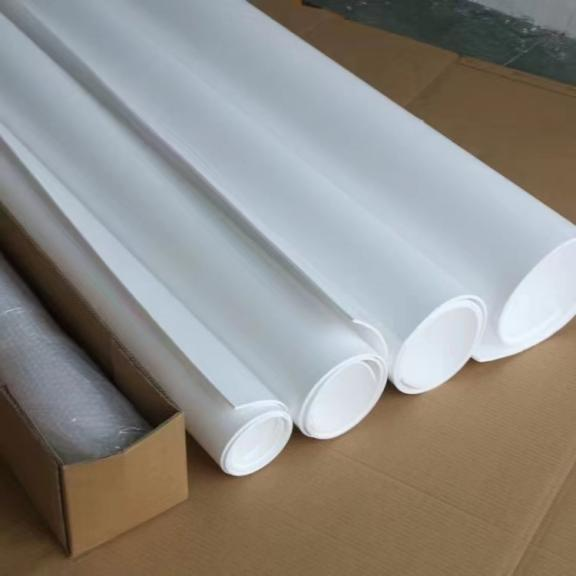
To combat this, mechanical designers specify precision-cut expanded PTFE (ePTFE) sheet gaskets. ePTFE features a multi-directional fibrous structure that resists creep and conforms tightly to uneven flange faces, maintaining bolt load and sealing pressure under repeated thermal cycling between chilled supply lines and warmer return lines.
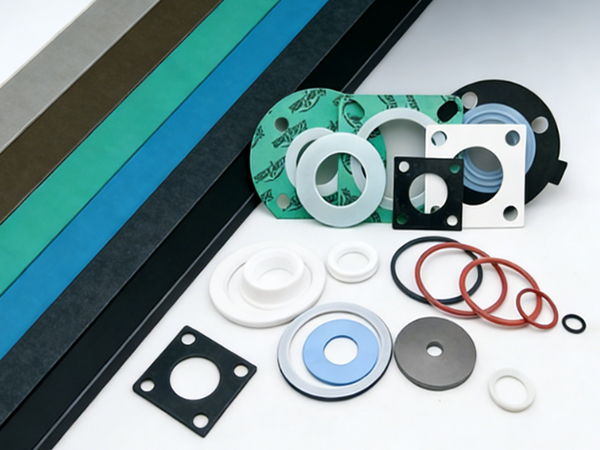
SUNPASS also offer Expanded PTFE Gaskets with Outstanding Chemical Resistance, Soft and Pliable, Effortless Cutting, and Extended Service Life.
AI server racks experience constant micro-vibrations from high-speed cooling pumps and server fans operating at up to 12,000 RPM. When rigid metal-to-metal joints connect fluid manifolds, these vibrations transmit directly into the sealing interface, progressively wearing down traditional flat gaskets. Dissimilar metal interfaces also introduce galvanic corrosion risk, further accelerating seal degradation.
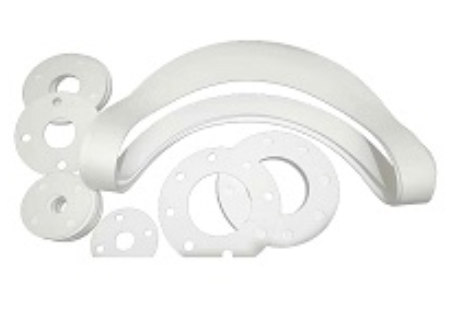
By interposing a resilient, vibration-dampening PTFE composite sheet gasket — typically in the 1.5–3 mm thickness range with appropriate durometer — engineers can absorb harmonic resonance while maintaining a reliable leak-free seal across every distribution node. PTFE's chemical inertness also eliminates galvanic coupling concerns at the sealing interface.
SUNPASS Expanded PTFE Gasket exhibits exceptional tensile strength, flexibility, and hardness, coupled with outstanding chemical and thermal resistance.
Beyond material selection, structural layout and joint design play an equally vital role in leak prevention. Industry best practices for liquid cooling manifolds specify:
By combining creep-resistant PTFE sheet gaskets with robust mechanical design margins and secondary containment, data center engineers can significantly reduce fluid loss vulnerabilities and maintain uninterrupted uptime for high-density AI clusters.
SUNPASS have extensive experience in gasket production and design, as well as advanced CNC cutting machines, and offer professional technical consulting. Please feel free to contact us.
Selecting the right expanded PTFE sheet supplier means securing superior chemical resistance, reliable sealing performance and long-term durability for your critical assets. SUNPASS delivers premium 100% PTFE expanded sheets engineered for the most demanding sealing applications across chemical processing, petrochemical, pharmaceutical, food and power industries.
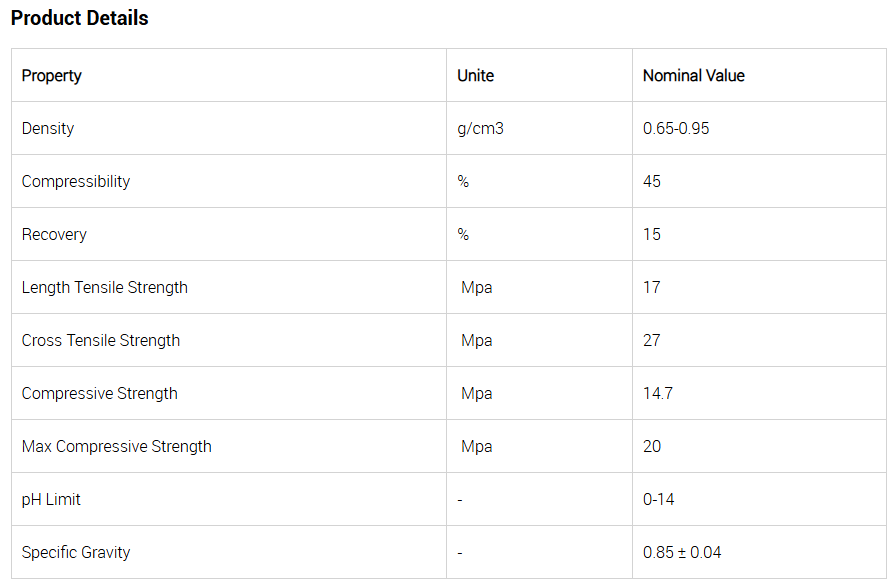
SUNPASS manufacture our expanded PTFE sheets from 100% pure PTFE resin to deliver outstanding chemical resistance across the full pH 0–14 range, effectively resisting nearly all aggressive media. The material maintains exceptional performance across an ultra-wide temperature span from -320°F to 600°F (-196°C to 315°C). Its inherently soft and pliable structure provides excellent conformability, high compressibility and superior resilience, ensuring reliable sealing even on imperfect flange surfaces.
Every production phase, from PTFE expansion to sheet forming and finishing, stays under tight internal control. The specialized expansion process creates a unique fibrillar microstructure that delivers outstanding tensile strength (17 MPa in machine direction, 27 MPa in cross direction) while retaining a soft, easily cuttable texture. Batch-to-batch inspections guarantee uniform density, consistent mechanical properties and precise thickness control across our full range from 0.02 to 0.3 inches (0.4–8 mm), outperforming conventional PTFE sheets in sealing reliability and handling convenience.
SUNPASS maintains full batch traceability for every expanded PTFE sheet produced. Complete supporting documentation is provided upon request, including raw material certificates and standard test reports. The 100% PTFE composition ensures indefinite shelf life without hardening, aging or degradation, eliminating storage concerns and guaranteeing consistent sealing performance throughout the entire service life in harsh operating environments.
Our sealing engineers offer targeted material selection guidance based on your actual operating conditions: temperature extremes, chemical media compatibility, pressure requirements and flange specifications. Multiple sheet widths including 50’, 60’ and 100’ are kept in stock for fast leadtime. We also support OEM and custom solutions including nonstandard dimensions and specialized cutting services to fit your unique project needs, backed by SUNPASS SEALING’s proven manufacturing expertise since 2000.
Q&A:
SUNPASS expanded PTFE sheets are made from 100% virgin PTFE resin with zerofillers or binders. Unlike filled PTFE sheets that contain additives prone to chemicalattack or leaching, SUNPASS guarantees absolute chemical inertness across the entire pH 0-14 range.
Yes. Because they contain zero fillers, contaminants, or leachable binders, SUNPASSePTFE sheets meet stringent FDA and USP Class VI standards, making them ideal for critical hygienic paths in pharmaceutical, biotech, and food processing plants.
Unlike standard elastomers or general plastics that swell, degrade, or dissolve instrong oxidizers, SUNPASS 100% virgin ePTFE offers universal resistance againstvirtually all aggressive acids, solvents, and chemicals without chemical breakdown or structural weakening.
No. Due to the complete absence of fillers, pigments, or chemical additives,SUNPASS ePTFE sheets eliminate the risk of trace metal leaching or organiccontamination, ensuring zero negative impact on ultra-pure water and high-purity chemical distribution systems.
Yes. SUNPASS ePTFE is chemically stable, UV-resistant, and features an infinite shelflife. It never hardens, cracks, or degrades in storage, ensuring long-term reliability even after years in inventory.
References
Sunpass Sealing Technology (Zhejiang) Co. LTD
• Zhejiang Top Sealing and Insulation Co.,Ltd.
• Echo Industry Limited
• Tenglong Sealing and Thermal Insulation Manufactory
 English
 русский
 Español
 Add: No. 78 West Road Zhenxing, Lianghui Industry Zone, Yuyao, Zhejiang, China
 Tel: +86 574 62837603
 E-mail: